Understanding Guardianship in New York City
Guardianship in New York City is a critical legal process. It appoints a guardian to make decisions for someone who cannot manage their own affairs. This situation often arises when an individual becomes incapacitated due to illness, injury, or age. Moreover, it can involve minors whose parents are unable to care for them. Establishing legal guardianship ensures their well-being and protects their assets. For families in the bustling environment of NYC, navigating this process can feel overwhelming.
At Morgan Legal Group, we understand the sensitive nature of guardianship matters. Our experienced attorneys specialize in New York law. We provide compassionate and expert legal representation. We aim to guide you through every step of the guardianship process. This includes understanding your options, filing necessary documents, and representing your interests in court. Whether you need to establish guardianship for an adult or a minor, our firm is here to help.
This comprehensive guide will delve into the intricacies of guardianship in NYC. We will cover types of guardianship, the legal requirements, and the roles of guardians. We also highlight the importance of seeking experienced legal counsel. This will help ensure the best possible outcome for your loved ones. Proper planning is paramount for protecting vulnerable individuals and their futures.
What is Guardianship?
Guardianship is a legal relationship. A court appoints a guardian. This guardian has the authority to make decisions for another person, known as the ward. The ward is typically someone who is unable to make decisions for themselves. This incapacity can stem from various reasons. These include severe physical or mental illness, developmental disabilities, or advanced age leading to cognitive decline. Furthermore, it can apply to minors whose parents are deceased or otherwise unable to provide care.
The court’s primary concern in guardianship proceedings is the best interest of the ward. Therefore, all decisions made by the guardian must reflect this principle. Guardianship can encompass both personal care decisions and financial management. It is a significant responsibility. It requires diligence, integrity, and adherence to court orders and New York law. Understanding the scope of a guardian’s authority is essential.
In New York, the term “guardianship” is often used interchangeably with “conservatorship” in some contexts, particularly concerning financial matters. However, the legal framework clearly distinguishes between guardians for personal needs and guardians for property. Our guardianship practice focuses on ensuring your loved ones are properly cared for and their rights protected.
Why is Guardianship Necessary in NYC?
Life in New York City is dynamic. Unexpected events can leave individuals vulnerable. A sudden illness or accident can render someone unable to manage their finances or make healthcare decisions. Without a legal guardian, crucial decisions may go unmade. This can lead to significant hardship for the incapacitated person and their family. Moreover, financial exploitation or neglect can become serious risks.
Guardianship provides a legal framework to address these challenges. It ensures that a responsible individual is legally empowered to act on behalf of the incapacitated person. This prevents legal vacuums. It also provides recourse against potential exploitation. For instance, if an elderly parent in Brooklyn suffers a stroke and cannot communicate their wishes, a court-appointed guardian can authorize necessary medical treatments and manage their bills.
Furthermore, guardianship is vital for minors. If both parents pass away or become unable to care for their children, a guardian must be appointed. This guardian will make decisions regarding the child’s upbringing, education, and welfare. Without this legal structure, the child’s future stability is at risk. Our firm helps families in NYC secure this vital legal protection. We understand the urgency and importance of these cases. We advocate tirelessly for the well-being of our clients and their families.
Types of Guardianship in New York
New York law provides for different types of guardianships, depending on the ward’s needs and circumstances. Understanding these distinctions is crucial for initiating the correct legal process. The most common types include guardianship of the person and guardianship of the property.
Guardianship of the Person
A guardian of the person is appointed to make decisions regarding the ward’s personal well-being. This includes decisions about healthcare, education, housing, and other daily life matters. For example, this guardian would decide where the ward lives, what medical treatments they receive, and what therapies they undergo. The focus is on the ward’s physical and emotional health. This role requires empathy and a deep understanding of the ward’s needs and preferences.
If a person is incapacitated due to dementia and cannot make informed medical decisions, a guardian of the person is essential. They will consult with doctors and ensure the ward receives appropriate care. They will also make decisions about their living arrangements. This ensures the ward lives in a safe and supportive environment. Our NYC Elder Law attorneys frequently handle cases involving the appointment of guardians for the person.
Guardianship of the Property
A guardian of the property, also known as a conservator of property, is appointed to manage the ward’s financial affairs. This includes managing bank accounts, paying bills, handling investments, and protecting the ward’s assets from mismanagement or exploitation. This role requires financial acumen and a fiduciary duty to act in the ward’s best financial interest. They must maintain accurate records and account for all transactions to the court.
Consider a scenario where an individual has significant assets but is unable to manage them due to a debilitating injury. A guardian of the property would ensure their bills are paid, their investments are managed prudently, and their property is maintained. This prevents financial ruin and ensures their financial security. For individuals in Queens with substantial estates, this type of guardianship is paramount. Our estate planning services often include provisions for such scenarios.
Joint Guardianship
In some cases, the court may appoint two individuals to serve as co-guardians. This can be for either the person or the property, or a combination of both. Co-guardianship can be beneficial when two family members can work together effectively. It allows for shared responsibility and decision-making. However, it requires strong communication and cooperation. If disagreements arise, they can complicate matters. Our firm can advise on the suitability of joint guardianship for your specific situation.
Limited Guardianship
In certain circumstances, the court may appoint a limited guardian. This type of guardianship grants the guardian authority only over specific areas where the ward is incapacitated. For example, a guardian might be appointed solely to make healthcare decisions, while the ward retains the ability to manage their finances. This approach respects the ward’s autonomy as much as possible. It is often used when a person has specific cognitive impairments but can still manage other aspects of their life. The court tailors the guardianship to the ward’s precise needs.
The Guardianship Process in New York
Initiating a guardianship proceeding in New York involves a formal legal process overseen by the Supreme Court or the Surrogate’s Court. The specific court depends on the nature of the guardianship and the age of the ward. This process requires meticulous attention to detail and strict adherence to legal procedures.
Petition and Notice
The process begins with filing a petition with the appropriate court. The petition formally requests the court to appoint a guardian. It must clearly state the reasons for the guardianship. It should also identify the proposed guardian and the person for whom guardianship is sought (the alleged incapacitated person or “AIP”). The petition must be accompanied by supporting documents, such as medical affidavits attesting to the AIP’s incapacity.
Crucially, the AIP must be formally notified of the proceedings. This notice ensures they are aware of the court action and have an opportunity to respond. Moreover, other interested parties, such as close family members, must also be served with notice. This ensures transparency and allows all relevant individuals to participate. Failure to properly notify all parties can lead to delays or dismissal of the petition.
Court Investigator and Examination
After the petition is filed and notice is given, the court will often appoint a court investigator. This investigator is typically an attorney or a social worker. Their role is to conduct an independent investigation into the matter. They will meet with the AIP, assess their condition, and determine their wishes and capacity. The investigator also interviews the petitioner and other interested parties. Their findings are presented to the court in a report.
In some cases, the court may require the AIP to undergo a psychiatric or medical examination. This examination helps to formally document the extent of their incapacitation. The results of these examinations are critical in the court’s decision-making process. The court relies on this evidence to determine if guardianship is necessary and who should be appointed guardian.
Court Hearing and Appointment
A court hearing will be scheduled. At the hearing, the judge will review all submitted evidence, including the petition, medical reports, and the court investigator’s findings. The AIP has the right to be present at the hearing and to be represented by an attorney. If the AIP is unable to afford legal representation, the court may appoint a special guardian or attorney for them. This ensures their rights are protected.
If the court determines that guardianship is necessary and that the proposed guardian is suitable, it will issue an Order and Judgment of Guardianship. This document formally appoints the guardian and outlines the scope of their authority and responsibilities. The court may impose specific conditions or requirements on the guardian. For example, the guardian might be required to provide regular financial reports to the court.
Who Can Be Appointed Guardian?
New York law outlines specific criteria for who can be appointed as a guardian. The primary consideration is always the best interest of the ward. The court looks for individuals who are:
- Trustworthy and Responsible: The proposed guardian must have a demonstrated history of reliability and integrity.
- Mentally and Physically Capable: They must be able to fulfill the duties of a guardian.
- Over 18 Years Old: Generally, guardians must be adults.
- Of Sound Mind: They cannot be incapacitated themselves.
- Free from Conflicts of Interest: The court will scrutinize any potential conflicts that could compromise their judgment.
Often, the proposed guardian is a close family member, such as a spouse, adult child, or sibling. However, the court may appoint a professional guardian if no suitable family member is available or willing to serve. Or, if there are significant conflicts within the family. In some complex cases, appointing a neutral, experienced professional can be the most prudent course of action.
Court’s Preference
New York courts typically prefer to appoint guardians from within the family. This is because family members usually have the deepest understanding of the ward’s needs, history, and preferences. However, this preference is not absolute. The court will consider the family dynamics, any history of conflict, and the overall capacity of the proposed family guardian.
If there are multiple family members willing to serve, the court will weigh their qualifications. It will also consider the wishes of the AIP, if they are able to express them. Our role as Brooklyn guardianship lawyers is to help present the strongest case for the most suitable guardian. We work to ensure the court’s decision aligns with the ward’s best interests.
The Responsibilities of a Guardian
Becoming a guardian is a significant undertaking. It comes with substantial legal and ethical responsibilities. Guardians must act with the utmost care and diligence. They must always prioritize the well-being and interests of the ward above their own.
Duty of Care
Guardians have a duty of care towards their ward. This means they must act prudently and reasonably. They must make informed decisions. This often involves consulting with professionals, such as doctors, therapists, and financial advisors. They must also ensure the ward receives appropriate care, supervision, and support.
Duty of Loyalty
A guardian must act solely in the ward’s best interest. They must avoid any situation that creates a conflict of interest. For example, a guardian cannot use the ward’s funds for their own personal benefit. They must also maintain the confidentiality of the ward’s information. This fiduciary duty is paramount and forms the bedrock of the guardianship relationship.
Financial Management (for Guardians of Property)
If appointed as a guardian of the property, the individual must meticulously manage the ward’s finances. This includes:
- Collecting income and assets belonging to the ward.
- Paying the ward’s bills and expenses.
- Managing investments prudently.
- Maintaining accurate financial records.
- Filing regular accountings with the court.
Any misuse or mismanagement of funds can have severe legal consequences, including removal from the guardianship and potential criminal charges. Our wills and trusts attorneys also handle matters of fiduciary responsibility.
Personal Care Decisions (for Guardians of the Person)
For guardians of the person, responsibilities include:
- Ensuring the ward has safe and appropriate housing.
- Arranging for necessary medical and dental care.
- Making decisions about educational or vocational programs.
- Ensuring the ward’s personal needs, such as nutrition and hygiene, are met.
- Advocating for the ward’s wishes and preferences whenever possible.
When is Guardianship NOT Necessary? Alternatives to Guardianship
While guardianship is a vital legal tool, it is not always the only solution. In many cases, proactive legal planning can avoid the need for a formal guardianship proceeding. These alternatives can offer greater flexibility and allow individuals to maintain more control over their affairs.
Power of Attorney
A Power of Attorney (POA) is a legal document. It allows an individual (the principal) to appoint another person (the agent) to act on their behalf. This can be for financial matters, healthcare decisions, or both. A durable POA remains in effect even if the principal becomes incapacitated. This is a crucial planning tool that can often prevent the need for guardianship.
For example, a properly drafted Durable Power of Attorney for healthcare can empower a designated agent to make medical decisions if the principal is unable to do so. Similarly, a financial POA can allow an agent to manage finances. This avoids a court needing to appoint a guardian of the property. Our firm assists clients in drafting comprehensive POAs. We ensure they reflect their wishes and provide for incapacity.
Advance Directives
Advance directives, such as a Living Will or a Health Care Proxy, allow individuals to state their wishes regarding end-of-life medical care. A Health Care Proxy specifically appoints someone to make healthcare decisions. This is very similar in function to a guardian of the person for medical matters. These documents empower individuals to have a say in their medical treatment even when they can no longer communicate.
Wills and Trusts
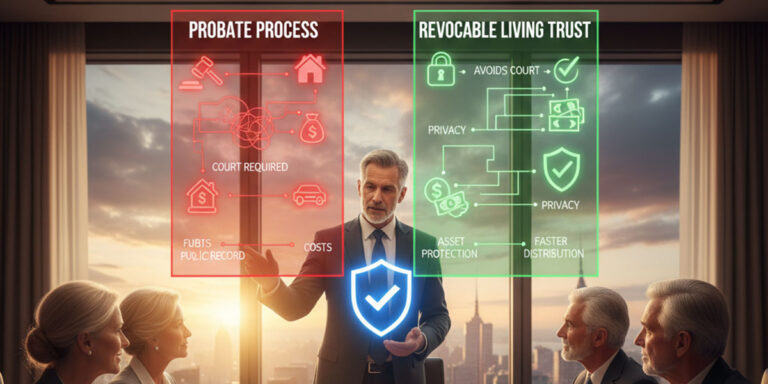
Wills and Trusts are fundamental components of estate planning. While primarily used for asset distribution after death, certain trusts can also provide for management of assets during the grantor’s lifetime. A revocable living trust, for instance, can name a successor trustee who takes over management if the grantor becomes incapacitated. This can bypass the need for a guardian of the property.
Furthermore, wills can nominate guardians for minor children. This nomination carries significant weight with the court. While the court makes the final appointment, a well-drafted will expressing a parent’s wishes is usually honored. This is a critical aspect of planning for families with young children. Morgan Legal Group provides comprehensive estate planning services.
Trusts for Incapacitated Individuals
Special Needs Trusts (SNTs) are designed to hold assets for individuals with disabilities. These trusts can manage funds without jeopardizing the beneficiary’s eligibility for government benefits like SSI or Medicaid. While not directly preventing guardianship, they ensure assets are managed responsibly for someone who may require ongoing care. We assist families in establishing these crucial financial tools.
Guardianship for Minors
Guardianship for minors becomes necessary when a child’s parents are unable to provide care. This could be due to death, incapacitation, incarceration, or abandonment. In such situations, a court must appoint a guardian to ensure the child’s welfare and upbringing.
Nomination in a Will
The most common way parents plan for guardianship of their minor children is by nominating a guardian in their will. This nomination clearly states who they wish to raise their children if something happens to them. While the court gives great weight to this nomination, it is not a guarantee. The court’s primary duty is the child’s best interest. It will consider the nominee’s suitability.
Court Appointment
If parents pass away without nominating a guardian in a will, or if the nominated guardian is unable or unwilling to serve, a guardianship proceeding will be initiated. The court will consider petitions from various individuals who wish to become the child’s guardian. Relatives are often given preference, but the court will evaluate each candidate based on their ability to provide a stable, loving, and nurturing environment.
This process can be emotionally taxing for families. Our family law attorneys in NYC provide compassionate guidance. We help navigate the legal complexities. We aim to secure the best outcome for the child’s future. Protecting children is a core value at Morgan Legal Group.
Temporary Guardianship
In urgent situations, a temporary guardianship may be established. This provides immediate care for a child while a more permanent guardianship is determined. It ensures the child is not left without supervision or care during the legal process. This is a critical measure for ensuring a child’s immediate safety and stability.
Elder Abuse and Guardianship
Sadly, the elderly are often targets of abuse and exploitation. Guardianship can serve as a vital protection mechanism in cases of elder abuse. When an elderly individual is being financially exploited or is suffering neglect, and is unable to protect themselves, a guardianship proceeding may be necessary.
Protecting Vulnerable Adults
Guardianship allows a court-appointed guardian to step in and take control of the situation. This might involve removing an abusive caregiver, securing the elder’s assets, and ensuring they receive proper care and protection. Our elder abuse legal team is dedicated to protecting seniors. We understand the signs of abuse and the legal avenues available.
If you suspect an elder loved one is being abused or exploited in the Bronx, it is imperative to seek legal intervention. A guardianship can halt ongoing abuse and provide a safe environment. We can help initiate this process swiftly. We work to secure the well-being of vulnerable adults. Prompt action is often key in these distressing situations.
Reporting Elder Abuse
If you witness or suspect elder abuse, reporting it is crucial. New York has Adult Protective Services (APS) that investigates such allegations. However, in many cases, legal action, including guardianship, is necessary to provide lasting protection. We can guide you through the reporting process and the subsequent legal steps required to safeguard your loved one.
Navigating Guardianship in NYC with Morgan Legal Group
The process of establishing or challenging guardianship in New York City is complex. It requires a deep understanding of state laws, court procedures, and the nuances of human situations. At Morgan Legal Group, we bring over three decades of experience in estate planning, elder law, and guardianship matters. Our dedicated attorneys are committed to providing exceptional legal counsel.
Expert Legal Counsel
Our team offers comprehensive legal services. We assist individuals seeking to become guardians. We also represent those who need to contest a guardianship. Furthermore, we help individuals plan to avoid guardianship altogether through robust estate planning. We understand that each case is unique. We tailor our strategies to meet the specific needs and goals of our clients.
Whether you are in Manhattan, seeking to establish guardianship for an incapacitated parent, or in Queens, looking to nominate a guardian for your minor children, our firm is equipped to guide you. We pride ourselves on clear communication and empathetic support throughout the legal journey. You can learn more about our lead attorney, Russell Morgan, Esq., and his extensive experience.
Our Commitment to Your Family
We recognize the emotional and financial strain that guardianship proceedings can place on families. Our goal is to alleviate this burden by providing clear, practical, and effective legal solutions. We strive to achieve the best possible outcomes. We aim to ensure the continued safety, security, and well-being of your loved ones.
If you are facing a situation where guardianship may be necessary, or if you wish to plan proactively to protect your future and that of your family, do not hesitate to reach out. We are here to answer your questions and provide the expert guidance you need.
Why Choose Morgan Legal Group for Guardianship Matters?
Selecting the right legal representation is crucial for any guardianship case in New York City. The stakes are incredibly high, impacting the well-being and future of vulnerable individuals. Morgan Legal Group stands out for several key reasons.
Deep Local Expertise
We possess an intimate understanding of New York’s specific guardianship laws and the intricacies of the court system across all boroughs. Our attorneys regularly appear in New York courts. This means we are familiar with the judges, the procedures, and the specific requirements for successful petitions and defenses. This local expertise is invaluable for navigating the complex legal landscape of NYC.
Compassionate and Client-Centered Approach
We understand that guardianship matters are often born out of difficult and emotionally charged circumstances. Whether you are seeking to protect an aging parent, a disabled child, or your own minor children, our approach is always one of empathy and respect. We listen attentively to your concerns. We provide clear, jargon-free explanations. We support you every step of the way, offering reassurance and strategic guidance.
Proactive Planning Services
While we are highly skilled litigators in guardianship proceedings, our deepest commitment is to helping clients avoid them. Through comprehensive estate planning, including the drafting of durable Powers of Attorney, Health Care Proxies, and carefully considered Wills and Trusts, we empower you to make your own decisions and nominate your own fiduciaries. This proactive approach safeguards your wishes and can save your family significant stress and expense down the line.
Proven Track Record
With over 30 years of dedicated practice, Morgan Legal Group has a proven history of success in handling a wide array of estate and elder law matters. We have successfully guided countless families through guardianship proceedings, asset protection, and long-term care planning. Our experience translates into effective advocacy and favorable outcomes for our clients.
Contact Us Today
Navigating the complexities of guardianship in New York City can be daunting. However, you do not have to face these challenges alone. The experienced attorneys at Morgan Legal Group are ready to provide the expert legal counsel and compassionate support you need. We are dedicated to protecting your loved ones and securing their future.
We encourage you to take the first step toward securing peace of mind. Please visit our contact page to learn more about our services or to schedule a consultation. You can also schedule a consultation directly through our website. Let us help you understand your options and develop a clear path forward. Your family’s well-being is our top priority. For immediate assistance or to learn more about our practice, please refer to our Google My Business profile.