
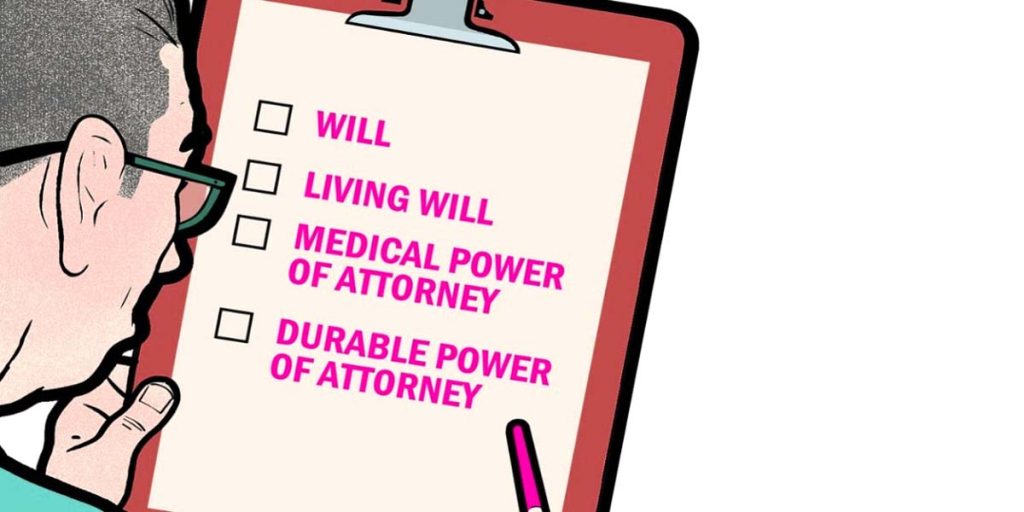
In the dynamic landscape of modern financial and personal planning, the concept of estate planning often remains a subject of unintended procrastination. While its importance is widely acknowledged, many individuals delay the process, primarily due to an unfamiliarity with the comprehensive array of documents required to construct a truly robust and effective plan.
Contrary to common misconceptions, an effective estate plan extends far beyond merely a last will and testament or a trust. A truly ideal plan provides meticulous provisions for the seamless transfer of assets to loved ones upon one’s demise, but critically, it also outlines control mechanisms for your property and financial affairs should you become incapacitated. This guide delves into the essential legal instruments that form the bedrock of a secure and comprehensive estate plan for 2026.
Foundational Documents for a Comprehensive Estate Plan
A thoughtfully constructed estate plan relies on several key documents, each serving a distinct yet interconnected purpose:
1. Last Will and Testament & Revocable Living Trust
Dispelling the myth that wills and trusts are exclusive to the affluent, these documents are indispensable components of any thorough estate plan, regardless of asset value. A Last Will and Testament dictates the appropriate distribution of a deceased individual’s property to their rightful heirs, ensuring their final wishes are honored. For instance, in Albany, Estate planning and management rules can vary significantly from other New York locales, underscoring the necessity of localized legal expertise. Similarly, seeking an “Estate planning firm in Manhattan” online provides access to attorneys specialized in the intricacies of New York State law.
A Revocable Living Trust, while often more complex, offers advantages such as probate avoidance, potential estate tax reduction, and enhanced privacy, particularly for larger or more intricate estates. Both a will and a trust require precise drafting and wording, ideally with the guidance of an experienced estate planning law firm, to prevent ambiguities and potential legal disputes among beneficiaries. It is crucial to ensure that asset allocations made outside of the will (e.g., beneficiary designations on financial accounts) are consistent with the provisions outlined within your will or trust to avert unnecessary conflict.
2. Durable Power of Attorney (POA)
A Durable Power of Attorney is a critical document that empowers a designated agent, known as an “attorney-in-fact,” to act on your behalf in financial and legal matters should you become unable to do so yourself. Without a valid POA, the court may be compelled to appoint a guardian or conservator, a process that can be protracted, costly, and potentially result in decisions that do not align with your preferences. The powers granted to a POA can encompass real estate transactions, managing financial accounts, and making legal decisions. Typically, a Durable POA is revocable as long as the principal individual retains mental capacity.
Selecting an agent for your Durable Power of Attorney requires careful consideration; this individual should be a spouse, a trusted family member, or a financially astute friend who understands your values and can responsibly manage your affairs.
3. Designated Beneficiaries
Many assets, such as 401(k)s, IRAs, life insurance policies, and certain bank or brokerage accounts, are structured to pass directly to designated beneficiaries outside the probate process, irrespective of your will. This crucial aspect of estate planning emphasizes the meticulous designation of beneficiaries. It is imperative not only to name a primary beneficiary but also a contingent beneficiary, who would inherit if the primary individual is deceased or unable to serve. Failure to appoint beneficiaries or keep them updated can lead to assets being tied up in probate, with the court determining their ultimate disposition. Beneficiaries must generally be of legal age (e.g., 18 or 21, depending on jurisdiction and asset type) and possess the mental capacity to receive and manage assets.
4. Letter of Intent (Personal Wishes Document)
While not a legally binding document in itself, a Letter of Intent serves as an invaluable supplement to your formal estate plan. It provides a detailed, non-legal expression of your wishes regarding the treatment of your assets, personal property, and even specific desires for funeral arrangements or the care of pets, should you become incapacitated or pass away. This document typically remains in the custody of your chosen legal executor or primary beneficiary and can offer critical guidance and clarity, acting as a supportive reference to inform decisions, especially if a will faces challenges or requires interpretation.
5. Healthcare Power of Attorney & Advance Directives
Distinct from a Durable Power of Attorney for financial matters, a Healthcare Power of Attorney (also known as a Healthcare Proxy or Medical Power of Attorney) designates an agent to make medical decisions on your behalf if you are unable to communicate your wishes. This appointed individual, often a trusted family member or close friend, should be someone who understands and respects your healthcare philosophy and course of action. It is a prudent measure to also name a backup healthcare agent. Alongside a Healthcare POA, Advance Directives (such as a Living Will) clearly articulate your preferences for medical treatment, end-of-life care, and life-sustaining measures, ensuring your autonomy is preserved even when you cannot speak for yourself.
6. Guardianship Designations for Minor Children
For individuals with minor children or those planning to have them, designating a guardian is paramount. This crucial provision, typically included within your Last Will and Testament, identifies an individual or couple responsible for raising your children and managing their inheritance should both parents become unable to do so. The chosen guardian should be a dependable, capable individual who shares your values and parenting philosophy, and is financially stable. As a safeguard, it is always advisable to designate at least one backup guardian in case your primary choice is unwilling or incapacitated.
The Imperative of Professional Guidance
Effective Estate planning extends far beyond the simple division of assets. It is a profound act of care, ensuring the continued well-being of your loved ones and the appropriate stewardship of your legacy. Navigating the complexities of wills, trusts, powers of attorney, and beneficiary designations requires meticulous attention to detail and a deep understanding of ever-evolving legal frameworks. Therefore, engaging an experienced estate planning attorney is not merely advisable but essential. A qualified legal professional will ensure all essential documents are systematically prepared, legally sound, and strategically aligned with your unique circumstances and future aspirations.