Navigating Estate Settlement in Westchester County with Confidence
The loss of a loved one brings profound grief, often compounded by the complex legal and administrative tasks of settling their estate. For families in Westchester County, understanding the probate process is a critical step. This legal journey involves formally transferring a deceased person’s assets to their rightful heirs and beneficiaries.
At Morgan Legal Group, we recognize the emotional weight families carry during these sensitive times. We offer dedicated, compassionate, and expert legal guidance through every phase of estate administration in Westchester County. Our mission is to alleviate your burden, ensuring your loved one’s final wishes are honored efficiently and within legal parameters.
This guide aims to demystify the intricacies of probate in Westchester, outlining the typical steps and highlighting why securing experienced legal counsel, such as a dedicated Westchester Probate Lawyer, proves invaluable.
What is Probate and Its Purpose in New York Estates?
Probate is the court-supervised process that validates a deceased person’s will, if one exists, and oversees the distribution of their assets. It ensures that all outstanding debts, taxes, and expenses are settled before any remaining property passes to the designated beneficiaries or legal heirs.
In Westchester County, the Surrogate’s Court handles probate proceedings. This court plays a vital role in confirming the estate’s settlement adheres to New York law and the deceased’s intentions. Key responsibilities include appointing an executor or administrator, identifying and valuing all estate assets, ensuring payment of liabilities, and finally, distributing the remaining estate property.
Without formal probate, transferring property titles, accessing bank accounts, or selling assets belonging to the deceased can become exceptionally difficult. Probate also provides a structured mechanism for resolving any disputes that may arise among beneficiaries or creditors, offering legal finality and clarity.
The Pivotal Role of an Executor or Administrator
When an individual passes away, a central figure in the estate settlement process emerges: the executor or administrator. If the deceased left a valid will, the person named as executor typically assumes this responsibility. In cases where no will exists (intestacy), the Surrogate’s Court appoints an administrator, usually a close family member, following New York’s intestacy laws.
This fiduciary role carries significant duties and demands meticulous attention. The executor or administrator must:
- Locate and secure all assets belonging to the deceased.
- Formally notify all creditors and beneficiaries.
- Pay off outstanding debts, funeral costs, and applicable taxes.
- File all necessary court documents and tax returns.
- Distribute the remaining assets to the rightful beneficiaries.
Fulfilling these duties requires precise record-keeping, adherence to strict legal deadlines, and an understanding of complex financial and legal principles. For many, especially while grieving or unfamiliar with legal procedures, managing these responsibilities alone can feel overwhelming. This is precisely where the expertise of a Westchester Probate Lawyer becomes indispensable.
Navigating the Probate Journey in Westchester County: A Step-by-Step Guide
The probate process in Westchester County unfolds through several distinct stages. While the specifics can vary based on an estate’s complexity, here is a general overview of what families can anticipate:
1. Initiating the Probate Petition
The process commences with the nominated executor or a potential administrator filing a petition with the Westchester County Surrogate’s Court. This initial filing typically includes the death certificate, the original will (if one exists), and a list of all potential beneficiaries and heirs. For estates without a will, the petition requests the court to appoint an administrator.
2. Notifying Interested Parties
Once the petition is filed, all interested parties must receive formal notification. This includes every beneficiary named in the will, as well as individuals who would inherit if no will existed (e.g., surviving spouse, children, parents). Creditors of the deceased also receive notification through publication and direct mail.
3. Appointing the Fiduciary and Issuing Letters
If the court validates the will and no contests arise, it issues “Letters Testamentary” to the named executor. In cases without a will, the court issues “Letters of Administration” to the appointed administrator. These official court documents grant the fiduciary the legal authority to act on behalf of the estate.
4. Inventorying and Valuing Estate Assets
The executor or administrator must compile a comprehensive inventory of all the deceased’s assets. This includes real estate, bank accounts, investments, vehicles, personal property, and any other valuables. Each asset requires appraisal to determine its fair market value as of the date of death.
5. Settling Debts and Taxes
All legitimate debts of the deceased must be paid. This encompasses mortgages, credit card balances, medical bills, and any other outstanding financial obligations. The estate is also responsible for final income taxes and potential estate taxes. New York State imposes its own estate tax, and federal estate taxes may also apply depending on the estate’s size. For more details on New York State estate tax, visit the New York State Department of Taxation and Finance.
6. Distributing Assets to Beneficiaries
After all debts, taxes, and administrative expenses are paid, the remaining assets are distributed to the beneficiaries according to the terms of the will or New York’s intestacy laws. This distribution requires careful execution and often necessitates a final accounting to both the court and the beneficiaries.
Navigating these steps demands precision and a thorough understanding of New York’s Surrogate’s Court Procedure Act. Attempting to manage this without legal guidance can lead to costly errors, delays, and potential disputes.
When Formal Probate May Not Be Required in Westchester
While probate represents the standard procedure for most estates, certain assets and specific circumstances allow for their transfer outside of the formal court process. Understanding these exceptions can save both time and expense for heirs.
Assets that typically bypass probate include:
- Assets held in a Living Trust: Property titled in the name of a trust generally passes directly to the beneficiaries named in the trust document, without court intervention.
- Jointly Owned Property with Rights of Survivorship: Property owned by spouses or other individuals with “rights of survivorship” automatically transfers to the surviving owner(s) upon the death of one owner.
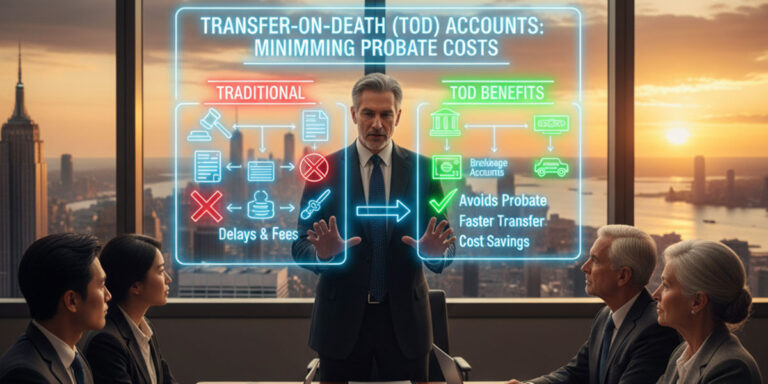
- Accounts with Payable on Death (POD) or Transfer on Death (TOD) Designations: Bank accounts, brokerage accounts, and retirement accounts with designated beneficiaries will pass directly to those individuals.
- Life Insurance Proceeds: Life insurance policies with named beneficiaries pay out directly to those beneficiaries, outside of the probate estate.
Even in these situations, careful documentation and accurate beneficiary designations are crucial. For instance, if a beneficiary of a POD account predeceases the account holder, that asset may then become part of the probate estate.
Why Expert Legal Counsel is Indispensable for Westchester Estates
The probate process, though clearly defined, is laden with legal intricacies, strict deadlines, and potential pitfalls. Engaging a skilled Westchester Probate Lawyer from Morgan Legal Group offers numerous advantages, ensuring your case receives professional and efficient handling.
Expert Guidance and Deep Legal Knowledge
Our attorneys possess extensive knowledge of New York’s Surrogate’s Court laws and procedures. We interpret complex legal documents, navigate court filings, and advise you on your rights and responsibilities as an executor or beneficiary. This expertise is vital for avoiding costly mistakes and ensuring full compliance.
Streamlined Estate Administration
Probate can often be a lengthy process. An experienced lawyer can streamline procedures, effectively manage deadlines, and proactively address potential issues, helping to expedite the distribution of assets to your loved ones. We understand the urgency families often feel to settle affairs and achieve closure.
Effective Resolution of Will Contests and Disputes
Unfortunately, disputes can arise during probate. Beneficiaries may challenge a will’s validity, or disagreements may occur regarding asset valuation or distribution. Our legal team excels at resolving such conflicts, whether through negotiation or litigation, always striving for the best outcome for our clients.
Comprehensive Estate Tax Planning and Compliance
Navigating federal and New York State estate taxes requires specialized knowledge. We help ensure all tax obligations are met accurately and efficiently, potentially identifying strategies to minimize tax liabilities. Proper tax planning forms a cornerstone of effective estate protection.
Protecting Your Rights as a Beneficiary
If you are a beneficiary, a lawyer ensures your rights remain protected throughout the probate process. We review estate accounts, verify asset distribution, and advocate on your behalf if you suspect any impropriety or unfair delays in your inheritance.
Morgan Legal Group commits to providing personalized attention to each client. We understand that every estate is unique, and we tailor our approach to meet your specific needs and concerns. Let us help you navigate this complex legal landscape with confidence and peace of mind.
Common Challenges in Westchester Probate Proceedings
While the probate process aims for orderliness, several common challenges can emerge, particularly in a diverse county like Westchester. A knowledgeable Westchester Probate Lawyer can anticipate and effectively manage these hurdles.
-
Will Contests
One of the most significant challenges involves a will contest. This occurs when an interested party challenges the will’s validity, often alleging the testator lacked mental capacity, experienced undue influence or fraud, or that the will was improperly executed. Such disputes can lead to lengthy and expensive litigation.
-
Identifying and Valuing Complex Assets
Estates can include a wide array of assets, from straightforward bank accounts to intricate business interests, valuable art collections, or international properties. Accurately identifying and valuing these assets for probate and tax purposes can be complex, often requiring specialized appraisers and valuation experts.
-
Outstanding Debts and Creditor Claims
The deceased may have left behind numerous creditors. Managing creditor claims, verifying their validity, and ensuring payment in the correct order of priority according to New York law can pose a significant administrative burden. If assets are insufficient to cover all debts, insolvency proceedings may become necessary.
-
Heirship Disputes
In cases without a will or where the will is unclear, determining the rightful heirs can become complicated. This holds particularly true in situations involving second marriages, blended families, or estranged relatives, where establishing legal relationships and inheritance rights may require extensive investigation and court intervention.
-
Estate Tax Issues
Navigating both federal and New York State estate taxes can be daunting. The thresholds for these taxes are substantial, and their calculation involves complex rules. Failure to correctly assess and pay estate taxes can result in penalties and interest. Our firm helps ensure compliance and explores tax-saving opportunities.
Proactive estate planning plays a crucial role in mitigating many of these challenges. Proper planning clarifies intentions, simplifies asset distribution, and potentially reduces the likelihood of disputes or tax burdens.
The Westchester County Surrogate’s Court: Your Local Judicial Hub
The Westchester County Surrogate’s Court stands as the primary judicial body responsible for overseeing probate and estate administration within the county. Understanding its role and procedures is essential for anyone involved in the probate process.
The court’s jurisdiction encompasses:
- Probating wills and formally appointing executors.
- Appointing administrators for estates without a will.
- Authorizing the sale of real property to satisfy debts.
- Hearing contested probate matters and resolving disputes.
- Adjudicating disagreements related to estate assets and distributions.
- Appointing guardians for minors and incapacitated individuals.
The court operates under strict rules and deadlines. Filing errors, missed notifications, or procedural missteps can lead to significant delays and complications. For instance, ensuring all necessary parties receive proper service is critical for the court to proceed. This underscores the importance of working with an experienced Westchester Probate Lawyer who possesses familiarity with the local court system.
Our firm maintains a strong working relationship with the Westchester County Surrogate’s Court and its dedicated staff. This familiarity allows us to navigate the court system efficiently on your behalf, offering a distinct advantage in managing your case.
Proactive Estate Planning: Minimizing Probate for Future Generations
While this guide focuses on probate, it is crucial to emphasize the power of proactive estate planning in minimizing or even avoiding probate for your heirs. A meticulously crafted estate plan provides clarity, reduces stress, and ensures your assets are distributed exactly as you intend.
Key components of effective estate planning include:
- Wills: While a will itself typically goes through probate, it serves as the foundational document for directing asset distribution and naming guardians for minor children. A carefully drafted will clarifies your wishes.
- Trusts: Revocable living trusts are powerful tools for avoiding probate. Assets transferred into a trust during your lifetime can be distributed to beneficiaries upon your death without court supervision.
- Powers of Attorney: A Durable Power of Attorney allows someone you designate to manage your financial affairs if you become incapacitated. A Health Care Proxy designates someone to make medical decisions for you.
- Beneficiary Designations: Ensuring that beneficiary designations on accounts like life insurance, retirement plans, and payable-on-death accounts are current and accurately reflect your wishes is crucial for assets to pass outside of probate.
Our attorneys at Morgan Legal Group specialize in creating comprehensive estate plans tailored to the unique needs of Westchester residents. We help you consider various strategies, including the use of trusts, to protect your assets and your loved ones. For general information on estate planning, you can consult resources like Investopedia’s Estate Planning Guide.
Elder Law and Guardianship Considerations in Westchester
As individuals age, issues related to incapacity and the need for long-term care become increasingly relevant. Elder law and guardianship are critical areas that often intersect with estate planning and probate, offering essential protections for seniors.
Powers of Attorney and Healthcare Proxies
A Durable Power of Attorney is essential for appointing someone to manage your finances if you become unable to do so yourself. Similarly, a Health Care Proxy allows you to designate a trusted individual to make medical decisions on your behalf. These documents are vital for avoiding the need for a court-appointed guardianship, preserving your autonomy.
Guardianship Proceedings
If an individual becomes incapacitated without having executed a Power of Attorney or Health Care Proxy, a court may need to appoint a guardian. Guardianship proceedings in Westchester can be complex, time-consuming, and intrusive. They require demonstrating to the court that the individual is unable to manage their affairs and that the proposed guardian is suitable. This highlights why robust powers of attorney and healthcare directives are so important.
Protecting Against Elder Abuse and Financial Exploitation
Sadly, vulnerable seniors can become targets of elder abuse and financial exploitation. Our firm is committed to protecting seniors in Westchester. If you suspect a loved one is being victimized, we provide legal assistance to intervene and protect their assets and well-being. Understanding your rights and the legal recourse available is the first step in combating such crimes.
These legal tools and protections form integral parts of a comprehensive elder law strategy, designed to ensure dignity, autonomy, and financial security for seniors in Westchester County.
Why Choose Morgan Legal Group for Your Westchester Probate Needs?
Selecting the right legal counsel during a time of loss represents a significant decision. At Morgan Legal Group, we combine decades of legal experience with a deep commitment to client care. Our firm comprises seasoned attorneys who understand the emotional and legal complexities of probate in Westchester County.
Experienced and Dedicated Attorneys
Our team, led by experienced attorneys like Russell Morgan, Esq., brings a wealth of knowledge in estate law, probate, and related matters. We dedicate ourselves to achieving favorable outcomes for our clients, ensuring peace of mind during a challenging period.
Compassionate Client Service
We understand the difficult time you are experiencing. Our approach remains consistently empathetic and client-centered. We listen carefully to your concerns, explain your options clearly, and guide you through the process with patience and understanding. Your comfort and clarity are our foremost priorities.
Proven Track Record
For years, Morgan Legal Group has served as a trusted resource for families in Westchester and throughout New York. We have successfully guided countless clients through the probate process, helping them settle estates efficiently and with minimal stress. Our goal always centers on honoring the wishes of the deceased and supporting the beneficiaries.
Comprehensive Legal Support
Beyond probate, we offer a full range of legal services related to estate planning, trusts, elder law, and guardianship. This allows us to provide holistic legal solutions that address all your family’s needs, both now and in the future. Whether you require assistance with a simple will or a complex trust, our team is equipped to help.
We proudly serve the Westchester community and commit to providing the highest level of legal representation. We believe in empowering our clients with knowledge and unwavering support.
Frequently Asked Questions About Westchester Probate
Navigating probate often brings forth numerous questions. Here, we address some of the most common inquiries we receive from clients in Westchester County.
How long does probate typically take in Westchester?
The duration of probate varies significantly. A straightforward estate with a clear will and no disputes might conclude within six to twelve months. However, more complex estates, those with contested wills, substantial debts, or intricate assets, can take several years to finalize.
What are the costs associated with probate in Westchester?
Probate costs can include court filing fees, executor fees, appraisal costs, and attorney fees. Attorney fees are typically based on either an hourly rate or a statutory commission, depending on the circumstances and New York law. We strive for complete transparency in our fee structure.
Is a lawyer necessary to probate a will in Westchester?
While New York law does not legally mandate attorney representation in probate court, it is highly recommended, especially for estates of any complexity. An experienced Westchester Probate Lawyer can prevent costly mistakes, ensure compliance with all legal requirements, and significantly expedite the entire process.
What is the distinction between probate and estate administration?
These terms are often used interchangeably. However, “probate” specifically refers to the court-supervised process of validating a will and administering an estate when a will exists. “Estate administration” is a broader term encompassing both probate (with a will) and administration (without a will).
What happens if the deceased owned property in multiple states?
If the deceased owned real property in states other than New York, an additional probate proceeding may be required in each of those states. This is known as an “ancillary probate.” Our firm can assist in coordinating these multi-state proceedings.
We encourage you to ask any questions you may have. Our team is here to provide clarity and expert guidance.
Secure Your Family’s Legacy: Connect with a Westchester Probate Attorney Today
Losing a loved one is an overwhelming experience, and managing the ensuing legal and administrative tasks of settling their estate can add to an already heavy burden. Understanding the probate process in Westchester County marks the first step toward ensuring your loved one’s affairs receive handling with care, respect, and legal precision.
At Morgan Legal Group, we dedicate ourselves to providing compassionate, expert legal counsel to families navigating probate. Our experienced Westchester Probate Lawyers are here to guide you through every step, from filing the initial petition to the final distribution of assets. We aim to alleviate your stress and ensure your loved one’s final wishes are met efficiently and effectively.
Do not face the complexities of probate alone. Whether you need assistance with probating a will, administering an estate, or planning for the future to simplify these processes for your heirs, our team stands ready to assist.
We invite you to contact us today to schedule a consultation. Let us put our expertise to work for you and your family. You can also schedule a consultation directly through our website.
For more information about our services and to see how we serve the local community, you can also visit our Google My Business profile.