
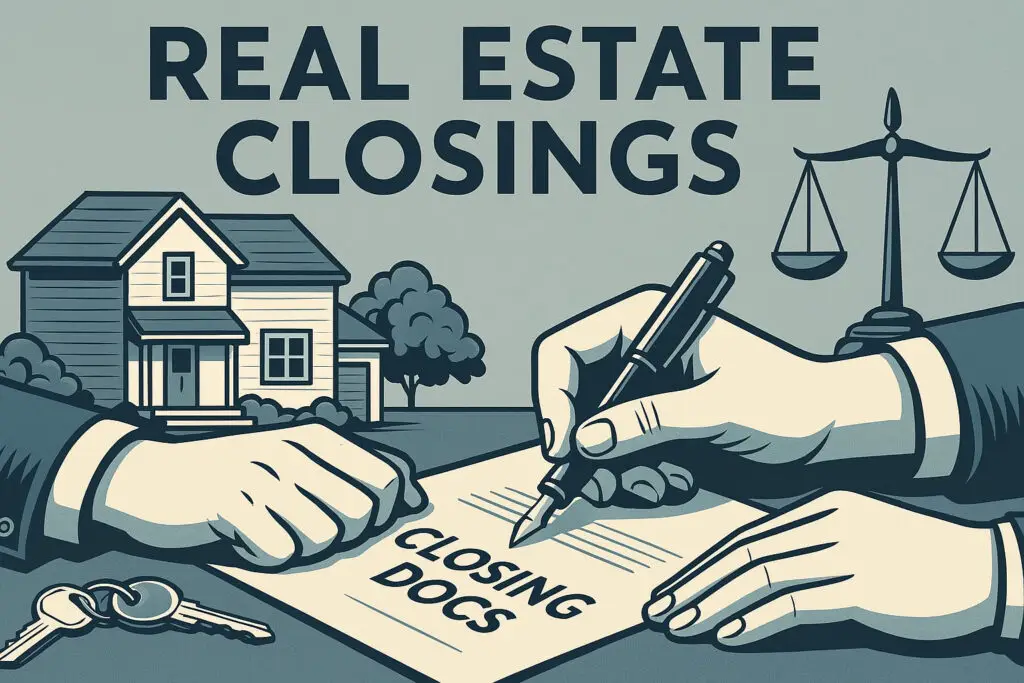
Embarking on a property transaction in New York, whether buying a new home or selling an existing one, represents a significant life event. The culmination of this journey is the real estate closing – a critical step that can often feel daunting due to its legal complexities and the financial implications involved. At our firm, we understand the anxieties that can accompany this process. Our commitment is to demystify these procedures, providing clear, professional, and compassionate guidance to ensure your transaction proceeds smoothly and securely, offering you true peace of mind.
The Significance of Real Estate Closings in New York
A real estate closing is far more than a mere formality; it is the definitive legal act where property ownership is officially transferred from the seller to the buyer. In New York State, this process is particularly nuanced, involving specific legal protocols and requirements that differ from other jurisdictions. Understanding these details is paramount for both parties to protect their interests and avoid unforeseen complications. Our goal is to equip you with the knowledge and expert support necessary to navigate this final, crucial phase with confidence.
The Indispensable Role of a New York Real Estate Attorney
While some states permit real estate closings without legal representation, New York State mandates the presence of an attorney for both buyers and sellers. This requirement underscores the intricate nature of property law in our state and the vital protection legal counsel provides. A dedicated real estate attorney serves as your advocate, ensuring all legal aspects of the transaction are meticulously handled.
How Your Attorney Provides Comprehensive Support:
- Expert Guidance: Offering advice throughout every stage of the buying or selling process.
- Document Preparation & Review: Drafting and scrutinizing all necessary legal paperwork, from contracts to deeds, ensuring accuracy and compliance.
- Due Diligence: Conducting thorough investigations into the property’s history, financial standing, and potential liabilities, such as existing complaints or structural issues.
- Negotiation: Representing your best interests in negotiations, resolving any disputes that may arise.
- Problem Resolution: Addressing any title defects, liens, or other legal hurdles that could jeopardize the closing.
Preparing for Your Property Closing
Before the closing day arrives, several essential steps must be completed to ensure a successful transfer of ownership. These preparatory stages are crucial for identifying and resolving any potential issues well in advance.
Key Pre-Closing Requirements:
- Finalized Purchase Agreement: A mutually agreed-upon contract outlining the terms of sale.
- Mortgage Approval and Documentation: If financing, your mortgage must be approved, and all relevant information submitted to the necessary parties.
- Home Inspection and Appraisal: Ensuring the property meets safety standards and its value aligns with the purchase price.
- Title Report Procurement: This critical document provides a comprehensive overview of the property’s legal status, including ownership history, taxes, zoning, and most importantly, any existing liens.
Understanding Title Reports and Liens
A title report is a fundamental component of the real estate closing process in New York. It is a detailed record of the property’s legal history, designed to uncover any claims or encumbrances that could affect clear ownership. This report is mandatory because it safeguards against future legal challenges.
Common Issues Revealed by a Title Report:
- Unpaid Mortgages: Previous loans secured by the property that were not fully satisfied.
- Outstanding Property Taxes: Delinquent taxes owed to the municipality.
- Mechanic’s Liens: Claims from contractors or suppliers for unpaid work on the property.
- Judgment Liens: Claims against the property owner resulting from a court judgment.
Should a title report reveal any liens, your attorney will work diligently to resolve them, ensuring that you acquire a property with a clear and marketable title.
The Protection of Title Insurance
Following the title report, title insurance becomes another vital layer of protection. This insurance safeguards both the lender and, optionally, the new homeowner against financial losses stemming from defects in the property’s title that were not discovered during the initial title search. It provides security against unforeseen claims, giving you added confidence in your investment.
The Closing Day: What to Expect
The closing itself is a focused meeting where all parties finalize the transaction. While the duration can vary, most real estate closings in New York typically last an hour or more.
Who Attends:
- The buyer and seller.
- Their respective attorneys.
- The buyer’s bank attorney (if applicable).
- Real estate brokers involved in the transaction.
What to Bring:
- Valid government-issued identification.
- Proof of homeowner’s insurance.
- Any required inspection reports.
- A cashier’s check for closing costs and down payments.
Documents Signed During Closing:
- The Deed: Officially transfers property ownership.
- Mortgage Documents: Legally binding agreements related to your loan.
- Truth-in-Lending Disclosure: Provides details about the loan’s costs.
- Title Insurance Policy: Secures your ownership against title defects.
Common Questions About New York Real Estate Closings
What is the fundamental purpose of a real estate closing?
The core purpose of a real estate closing is the formal and legal transfer of property ownership from the seller to the buyer, marking the completion of the transaction.
Is a real estate agent still needed if I have an attorney?
While only a real estate attorney is legally required to be present at a closing in New York, it is generally recommended to utilize both a real estate agent and an attorney. An agent assists with finding properties, marketing, and initial negotiations, while an attorney focuses on the legal intricacies and protecting your rights.
Can Power of Attorney be used by a buyer for a real estate closing?
While Power of Attorney (POA) allows someone to act on your behalf, it is more commonly used by sellers during real estate closings. For buyers, using a POA is less frequent, and many lenders may be hesitant to approve such a request. If you anticipate needing a POA as a buyer, it is crucial to discuss this with your lender and attorney well in advance.
Ensuring Your Peace of Mind
The process of buying or selling property in New York does not have to be a source of overwhelming stress. With experienced legal counsel, you gain a trusted partner who can navigate the complexities on your behalf, anticipate potential issues, and ensure your interests are fully protected. Our firm is dedicated to providing the authoritative, compassionate, and professional guidance you need for a secure and successful real estate closing.