Understanding Probate in Westchester County: A Comprehensive Guide
Losing a loved one is an incredibly difficult time. The grief and emotional toll can be overwhelming. Often, in the midst of this sorrow, families must confront the complex legal process of probate and estate administration. If your loved one resided in Westchester County, New York, navigating this process requires specific knowledge of local Surrogate’s Court procedures and New York State law. At Morgan Legal Group, we understand the unique challenges families face during this period. Our dedicated probate lawyers in Westchester County are here to provide expert guidance and compassionate support, ensuring your loved one’s estate is handled efficiently and according to their wishes.
Probate is the legal process by which a court validates a deceased person’s will and appoints an executor to administer their estate. This involves identifying assets, paying debts and taxes, and distributing the remaining property to beneficiaries. For those unfamiliar with the legal system, probate can seem daunting. It involves extensive paperwork, strict deadlines, and adherence to specific court rules. Without proper legal counsel, mistakes can lead to significant delays, unexpected costs, and even disputes among family members. This is where the experience of a seasoned Westchester probate lawyer becomes invaluable.
Our firm, Morgan Legal Group, has extensive experience in estate administration throughout New York State, with a particular focus on Westchester County. We help clients understand every step of the probate process, from initial petitioning to final distribution. Whether the estate is straightforward or involves complex assets and potential challenges, we provide clear, concise advice and unwavering legal representation. We aim to alleviate the burden on grieving families, allowing them to focus on what matters most: remembering their loved one and supporting each other.
What is Probate and Why is it Necessary in Westchester?
Probate is the court-supervised process that officially validates a deceased person’s last will and testament. It also oversees the administration of their estate if they died without a will (intestate). The primary goal of probate is to ensure that the deceased person’s wishes, as outlined in their will, are carried out. It also serves to protect creditors by providing a formal mechanism for them to file claims against the estate. In Westchester County, like other parts of New York, this process typically takes place in the Surrogate’s Court.
The executor, named in the will, or an administrator, appointed by the court if there is no will, is responsible for managing the estate. This role involves a fiduciary duty to act in the best interests of the estate and its beneficiaries. Key responsibilities include gathering all the deceased’s assets, such as bank accounts, real estate, investments, and personal property. Consequently, the executor must also settle any outstanding debts, including mortgages, credit card bills, and medical expenses. Furthermore, any applicable estate taxes must be calculated and paid.
Moreover, the process involves formally notifying potential heirs and beneficiaries. The executor must file an accounting of all transactions with the court. Finally, after all debts and taxes are paid, the remaining assets are distributed to the beneficiaries according to the terms of the will or New York’s intestacy laws. This entire process can take anywhere from several months to over a year, depending on the estate’s complexity. A probate lawyer ensures these steps are completed accurately and efficiently, preventing potential legal pitfalls.
When is Probate Required in Westchester County?
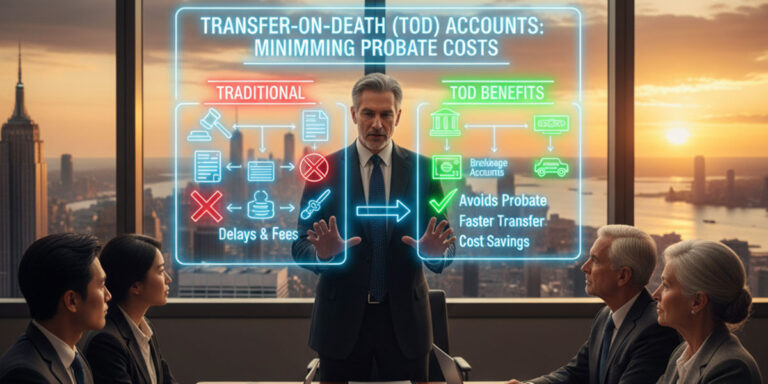
The necessity of probate in Westchester County hinges on several factors, primarily the type of assets the deceased person owned and how those assets were titled. Generally, assets that pass directly to a named beneficiary outside of the will do not need to go through probate. This includes assets held in joint tenancy with rights of survivorship, accounts with payable-on-death (POD) or transferable-on-death (TOD) designations, and life insurance policies or retirement accounts that have a designated beneficiary.
However, any assets solely owned by the deceased individual and not designated to pass directly to a beneficiary will likely need to go through the probate process. This commonly includes real estate held in the deceased’s name alone, bank accounts held solely in their name without a POD designation, stocks and bonds in their name alone, and any personal property of significant value that isn’t specifically gifted by a will to bypass probate. Essentially, if the will needs court validation to transfer ownership of an asset, probate is required.
Even if a will exists, it must be admitted to probate by the Surrogate’s Court to be legally recognized. If there is no will, the estate will be administered under New York’s intestacy laws, which dictate how assets are distributed. In such cases, the court appoints an administrator. Understanding these distinctions is crucial. For example, a home owned solely by the deceased in Westchester will almost certainly require probate to transfer ownership to heirs. Consulting with a Westchester probate attorney helps clarify which assets are subject to probate and how to proceed accordingly.
Key Stages of the Probate Process in Westchester
The probate process in Westchester County, while similar to other New York counties, has specific procedural nuances. Understanding these stages can demystify the journey for grieving families. At Morgan Legal Group, we guide clients through each critical phase, ensuring compliance and efficiency.
1. Petitioning the Court
The process begins with filing a petition with the Westchester County Surrogate’s Court. If there is a will, this petition asks the court to admit the will to probate and appoint the nominated executor. If there is no will, the petition asks the court to appoint an administrator. This initial step requires specific legal forms and supporting documents, such as a death certificate and a copy of the will, if one exists. Our probate lawyers meticulously prepare these documents to prevent delays.
2. Notifying Interested Parties
Once the petition is filed, the court requires that all interested parties be formally notified. These typically include the beneficiaries named in the will, as well as the distributees who would inherit if there were no will (usually close relatives like a spouse, children, parents, or siblings). This notification process is crucial for due process and allows parties to raise objections if they have any. We ensure that all notifications are served correctly and within the legal timeframe.
3. Appointment of Executor or Administrator
After the court reviews the petition and confirms that all interested parties have been notified, it will issue “Letters Testamentary” if a will is probated, or “Letters of Administration” if the estate is intestate. These letters are the official court documents that grant the executor or administrator the legal authority to act on behalf of the estate. This authority is essential for managing assets, paying debts, and distributing property.
4. Asset Inventory and Valuation
With authority granted, the executor or administrator must identify, gather, and value all assets belonging to the deceased. This includes real estate, bank accounts, investments, vehicles, and personal belongings. A professional appraisal may be necessary for certain assets. Accurate valuation is critical for determining potential estate tax liabilities and ensuring fair distribution among beneficiaries. Our team assists in this detailed inventory process.
5. Paying Debts and Taxes
The estate is responsible for settling all outstanding debts of the deceased, including mortgages, loans, credit card bills, and medical expenses. Creditors have a specific period to file claims. Moreover, if the estate’s value exceeds certain thresholds, New York State estate taxes and potentially federal estate taxes may be due. Calculating and paying these taxes correctly is a complex task. We advise on tax implications and ensure timely filing and payment.
6. Distribution of Assets
Once all debts, taxes, and administrative expenses have been paid, the remaining assets are distributed to the beneficiaries as specified in the will or according to New York’s intestacy laws. This final step requires careful accounting and proper execution of deeds, checks, and other transfer documents. Our Westchester probate attorneys oversee this final distribution, ensuring all legal requirements are met.
7. Estate Closing
The final stage involves submitting an accounting of all estate transactions to the Surrogate’s Court and obtaining a decree closing the estate. This signifies the formal end of the probate process. We ensure all paperwork is in order for a smooth and timely closure.
Navigating Complexities: When to Seek a Westchester Probate Lawyer
While some estates are simple and may not require extensive legal assistance, many situations necessitate the expertise of a Westchester probate lawyer. Recognizing when to seek professional help can prevent costly mistakes and significant stress during an already challenging time. At Morgan Legal Group, we are equipped to handle a wide range of probate complexities.
One common complexity arises when a will is contested. Beneficiaries or other interested parties may challenge the validity of the will for various reasons, such as claims of undue influence, lack of testamentary capacity, or improper execution. Will contests can lead to lengthy and expensive litigation. Our experienced attorneys can represent you in defending or challenging a will, protecting your interests.
Moreover, estates with significant assets, including multiple properties, substantial investments, or businesses, often present intricate valuation and distribution challenges. The presence of foreign assets or assets requiring specialized handling, like closely held business interests, further complicates the process. Our firm has the knowledge and resources to manage these complex estate scenarios effectively.
Unexpected debts or a large number of creditors can also strain an estate. Navigating creditor claims and ensuring debts are paid appropriately, while protecting beneficiaries’ inheritance, requires careful legal strategy. Similarly, if the deceased owned a business or had complex business dealings, understanding the implications for the estate and its potential sale or transfer is crucial. Our estate planning experience complements our probate services in these situations.
Finally, if the deceased had significant tax liabilities, including estate taxes, meticulous planning and execution are required. Navigating the complexities of both New York State and federal estate tax laws demands specialized knowledge. We advise on tax planning strategies to minimize the tax burden on the estate and its beneficiaries. For any of these complex scenarios, engaging a Westchester probate attorney is a prudent decision.
The Role of a Westchester Probate Attorney at Morgan Legal Group
As a leading estate planning and probate firm in New York, Morgan Legal Group offers comprehensive legal services tailored to the needs of Westchester County residents. Our team, led by experienced attorneys like Russell Morgan, Esq., is dedicated to providing expert guidance and compassionate support throughout the probate and estate administration process.
Our Westchester probate lawyers take on the burden of legal complexities, allowing you to focus on your family. We handle all aspects of the probate process, from initial filing and asset inventory to debt resolution and final distribution. We ensure that all legal requirements are met meticulously and efficiently, minimizing the risk of delays or errors. Our proactive approach helps anticipate potential issues and address them before they escalate.
We provide clear and understandable explanations of legal procedures and your rights and responsibilities as an executor or beneficiary. Our attorneys are skilled negotiators and litigators, prepared to represent your interests vigorously, whether in resolving disputes or navigating complex asset distributions. We pride ourselves on maintaining open communication with our clients, keeping you informed at every step of the way.
Beyond standard probate, we also assist with related matters such as will interpretation, trust administration, and handling unexpected estate challenges. Our goal is to provide a seamless and stress-free experience during a difficult period. If you are facing the probate process in Westchester County, let our probate attorneys provide the expert legal assistance you deserve. We are committed to serving the Westchester community with integrity and professionalism.
Common Estate Planning Tools Relevant to Probate
While probate deals with the distribution of assets after death, effective estate planning can significantly streamline or even avoid probate altogether. Understanding these tools is crucial for Westchester residents looking to simplify their legacy. At Morgan Legal Group, we help clients create comprehensive estate plans tailored to their specific needs and goals.
One of the most fundamental estate planning tools is a Will. A will clearly outlines how an individual wishes their assets to be distributed upon their death. It also allows for the appointment of an executor and a guardian for minor children. While a will must typically go through probate, having a well-drafted will ensures that your wishes are legally recognized and followed by the court. Our wills and trusts lawyers craft clear, legally sound wills.
Trusts are another powerful tool. Unlike wills, assets properly transferred into a trust during your lifetime generally bypass the probate process. This can save considerable time and expense for beneficiaries. There are various types of trusts, including revocable living trusts and irrevocable trusts, each serving different purposes. Revocable living trusts, for example, allow the grantor to maintain control over assets during their lifetime while ensuring their smooth transfer to beneficiaries upon death. Our expertise in trusts can help you choose the right structure.
A Power of Attorney (POA) is vital for financial and healthcare decision-making while you are alive, especially if you become incapacitated. While not directly related to post-death probate, a well-established POA can prevent the need for guardianship proceedings, which are often more complex and costly than probate. A durable Power of Attorney remains in effect even if you become incapacitated, ensuring your affairs are managed by someone you trust. We draft POAs that provide clear authority to your chosen agents.
Furthermore, considering beneficiaries on financial accounts, such as retirement accounts (401(k)s, IRAs) and life insurance policies, can be a simple yet effective way to pass assets outside of probate. These assets pass directly to the named beneficiaries, regardless of what a will might state. Our estate planning attorneys advise on the proper designation of beneficiaries to align with your overall estate plan.
Elder Law and Guardianship Considerations in Westchester
As individuals age, planning for potential incapacity and ensuring their well-being becomes paramount. Elder law encompasses a range of legal issues that affect seniors, including estate planning, healthcare directives, and asset protection. In Westchester County, our NYC Elder Law attorneys provide specialized counsel to seniors and their families.
A critical aspect of elder law is planning for potential incapacitation. This is where documents like a Power of Attorney and a Healthcare Proxy become essential. A Healthcare Proxy, for instance, designates an individual to make medical decisions on your behalf if you are unable to do so yourself. These documents, when properly drafted, can avoid the need for court-appointed guardianship.
Guardianship proceedings in New York are court-supervised processes where a court appoints a guardian to manage the personal and/or financial affairs of an individual who is deemed incapacitated and lacks the ability to make decisions for themselves. These proceedings can be initiated by concerned family members or friends. While guardianship provides a legal framework for protecting vulnerable individuals, it is often a lengthy, public, and emotionally taxing process. Our guardianship lawyers assist clients in navigating these complex court procedures, whether they are seeking to establish guardianship or responding to a petition.
Moreover, elder law also addresses the critical issue of Elder Abuse. Sadly, seniors can be vulnerable to financial exploitation, physical abuse, or neglect. Our firm is committed to protecting seniors from such harm. If you suspect elder abuse, understanding your legal options is crucial. We provide legal support to victims and their families, working to stop abuse and seek justice. Our elder abuse attorneys are here to help.
Our comprehensive approach to elder law ensures that seniors in Westchester County can maintain their independence, protect their assets, and have their healthcare wishes respected. We believe that every senior deserves to live with dignity and security. Planning for these eventualities proactively can provide immense peace of mind for both the individual and their loved ones.
Family Law and Estate Matters in Westchester
Family dynamics can significantly influence estate matters, and vice versa. Divorces, child custody arrangements, and other family law issues often intersect with estate planning and probate in complex ways. Morgan Legal Group’s expertise in Family Law allows us to address these intertwined legal needs for Westchester residents.
During a divorce or separation, existing estate plans, such as wills and trusts, may need to be revised. For example, beneficiaries named in a will might be spouses who are now divorcing. It is crucial to update these documents to reflect the new family structure and ensure assets are distributed according to your current wishes. A divorce decree often includes provisions regarding the division of marital property, which can include inheritances or assets held in trust.
Child custody and support are also deeply connected to estate planning. When creating a will, parents must consider provisions for their minor children, including appointing guardians and establishing trusts to manage any inheritance for them until they reach adulthood. The financial well-being of children is a primary concern for many parents when planning their estates. Our estate planning services are designed to protect your children’s future.
In the context of probate, family disputes can often arise. Disagreements among siblings or other relatives regarding the interpretation of a will, the valuation of assets, or the actions of an executor can lead to costly litigation. Our firm has experience mediating and litigating such disputes, striving for resolutions that honor the deceased’s intentions and maintain family harmony where possible. We aim to navigate these sensitive situations with empathy and legal acumen.
Furthermore, blended families present unique estate planning challenges. Ensuring that assets are distributed fairly among children from previous relationships and a current spouse requires careful consideration and strategic planning. Our family law attorneys understand the complexities of blended families and can help create estate plans that address these specific needs. We work collaboratively to ensure your legacy is protected and distributed as you intend.
Why Choose Morgan Legal Group for Your Westchester Probate Needs
Navigating the probate process in Westchester County can be emotionally taxing and legally complex. Choosing the right legal representation is crucial for ensuring your loved one’s estate is handled with care, efficiency, and respect for their wishes. At Morgan Legal Group, we are committed to providing unparalleled legal support to families throughout Westchester.
Our firm brings over 30 years of combined experience in estate law, including probate, wills, trusts, and elder law. This extensive background means we possess a deep understanding of New York State laws and Surrogate’s Court procedures. We are adept at handling a wide range of estate matters, from simple estates to complex and contested cases. Our team is dedicated to providing personalized attention, treating each client with empathy and professionalism.
We understand that grief can make decision-making difficult. Our attorneys are here to guide you through every step, offering clear explanations, answering your questions, and advocating fiercely on your behalf. We strive to alleviate the administrative and legal burdens, allowing you to focus on healing and remembrance. Whether you need assistance with filing a petition, valuing assets, settling debts, or distributing inheritances, our Westchester probate lawyers are ready to assist.
Our commitment to excellence extends to proactive estate planning as well. We believe that proper planning can prevent many of the complications associated with probate. By working with us to establish robust wills and trusts, you can ensure a smoother transition for your loved ones and preserve your legacy. We also offer specialized services in elder law, guardianship, and family law, providing comprehensive support for all your legal needs.
We are proud to serve the Westchester community and are dedicated to upholding the highest standards of legal practice. If you are facing probate in Westchester County, or wish to discuss your estate planning needs, we invite you to contact us. Let Morgan Legal Group be your trusted partner in navigating these important legal matters. You can also schedule a consultation to discuss your specific situation.
The Importance of Location-Specific Legal Counsel
When dealing with legal matters like probate, the specific location where the deceased resided and where their property is located plays a critical role. Westchester County has its own unique set of Surrogate’s Court procedures and local rules that a Westchester probate lawyer must understand thoroughly. At Morgan Legal Group, we pride ourselves on our deep understanding of Westchester’s legal landscape, including its specific court practices and local customs.
For instance, the timing for filing certain documents, the preferred methods of communication with the court, and even the judicial officers you may encounter can differ from one county to another. A lawyer who regularly practices in the Westchester County Surrogate’s Court is familiar with these nuances. This familiarity can translate into a more efficient and less stressful probate process for you and your family. We are well-versed in handling cases before the Surrogate’s Court in White Plains, the county seat of Westchester.
Furthermore, real estate holdings are often a significant part of an estate. If the deceased owned property in Westchester, understanding local property laws, transfer taxes, and recording procedures is essential for a smooth transfer of title. Our firm’s experience with estate law across the New York metropolitan area, including Long Island and the boroughs of NYC, gives us a broad perspective that benefits our Westchester clients. We understand how estate matters can interact with property ownership in specific counties.
Our dedicated team provides services tailored to the unique needs of Westchester residents. Whether you are located in Yonkers, New Rochelle, White Plains, or any other municipality within the county, our legal knowledge is geared towards serving you effectively. We understand the local community and its legal environment. Choosing a firm with a strong local presence and understanding of Westchester’s legal framework is always a strategic advantage when navigating probate and estate administration. We are committed to providing superior legal service to our Westchester neighbors.
We encourage you to reach out to our office to discuss your specific needs. You can find more information about our services and commitment to our clients on our contact page. For residents of the five boroughs, we also have resources available at our NYC location, demonstrating our broad reach and commitment to serving the greater New York area.
Conclusion: Securing Your Legacy in Westchester County
The probate process in Westchester County is a necessary legal procedure that ensures a deceased person’s estate is managed and distributed according to their wishes or New York law. While it can seem complex, understanding its stages and knowing when to seek professional help is key to a smooth resolution. At Morgan Legal Group, we are dedicated to providing compassionate, expert legal guidance to families facing probate and estate administration.
Our experienced Westchester probate lawyers offer comprehensive services designed to alleviate the burden on grieving families. From initial filings and asset management to debt settlement and final distribution, we handle every detail with precision and care. We also emphasize the importance of proactive estate planning, including the creation of wills and trusts, to simplify the probate process for future generations. Our expertise in wills and trusts, elder law, and guardianship further supports our commitment to protecting your legacy and your loved ones.
We understand the unique legal landscape of Westchester County and are well-equipped to navigate its specific court procedures and requirements. Our goal is to provide you with peace of mind, knowing that your loved one’s estate is being handled competently and ethically. We invite you to learn more about our practice and how we can assist you. Please do not hesitate to contact us today for a consultation. You can also visit our Google My Business profile to see our commitment to serving the Westchester community.