Navigating Elder Law in Westchester: Your Trusted Legal Partner
As residents of Westchester age, the need for specialized legal guidance becomes paramount. Elder law is a broad and intricate area of practice. It addresses the unique legal challenges and opportunities seniors and their families face. Our firm, Morgan Legal Group, understands these complexities deeply. We are dedicated to providing comprehensive and compassionate elder law services throughout Westchester County.
Many individuals assume that estate planning is solely for the wealthy or those nearing the end of their lives. However, this is a misconception. Elder law encompasses a much wider spectrum. It focuses on protecting seniors’ rights, preserving their assets, and ensuring their future well-being. This includes planning for potential incapacity, long-term care needs, and the distribution of assets after death.
Consider a family in Scarsdale whose parents are in their late 70s. One parent has recently experienced a health setback. The family is suddenly confronted with questions about medical decisions, finances, and caregiving. Without a proper legal framework, these situations can quickly become overwhelming. This is where an experienced elder law attorney in Westchester becomes indispensable. We help families navigate these challenges proactively and effectively.
The Pillars of Elder Law in New York
Elder law is not a single, monolithic legal field. Instead, it is a collection of interconnected legal disciplines. These all aim to serve the needs of older adults. At Morgan Legal Group, we focus on several key areas. These are crucial for safeguarding seniors’ interests in Westchester.
One primary area is estate planning. This involves creating a roadmap for how your assets will be managed during your lifetime and distributed after your passing. A well-crafted estate plan ensures your wishes are respected. It also minimizes potential taxes and legal complications for your heirs.
Another critical component is planning for potential incapacity. This is where documents like a Power of Attorney and a Health Care Proxy become vital. These documents designate trusted individuals to make financial and medical decisions on your behalf if you become unable to do so yourself. Without them, your family might need to petition the court for guardianship, a process that is often costly, time-consuming, and public.
Long-term care planning is also a significant concern for many seniors. The cost of nursing homes or in-home care can be astronomical. Elder law attorneys help clients explore options for financing this care. This may include strategies for qualifying for Medicaid. It can also involve utilizing assets efficiently while preserving eligibility.
Proactive Estate Planning for Westchester Seniors
Effective estate planning is the cornerstone of elder law. It allows individuals to maintain control over their affairs. It also provides peace of mind for themselves and their loved ones. In Westchester, as across New York, a robust estate plan is essential.
A fundamental part of estate planning is the creation of a Will. A Will specifies who will inherit your assets. It also designates an executor to manage your estate. However, a Will alone does not address issues of incapacity. It also does not typically avoid the probate process, which can be lengthy and expensive.
For many clients, a Trust offers greater flexibility and control. Trusts can hold assets during your lifetime. They can also manage and distribute those assets after your death, often bypassing probate. There are various types of trusts, each with unique benefits. For example, a revocable living trust can be amended or revoked during your lifetime. An irrevocable trust, on the other hand, offers certain asset protection and tax advantages but cannot be easily changed.
Consider a retired couple in Yonkers. They wish to ensure their vacation home on Long Island is passed down to their grandchildren. They also want to protect their assets from potential future long-term care costs. A properly structured trust can achieve both these goals. It can also provide for their own care needs during their lifetime.
Our firm, Morgan Legal Group, works closely with clients to understand their specific goals. We then tailor an estate plan that meets their unique circumstances. This includes evaluating assets, family dynamics, and potential future needs. We aim to create comprehensive plans that are both legally sound and personally meaningful.
Understanding Wills and Trusts in New York
The creation of wills and trusts is central to any sound estate plan. In New York, these documents serve distinct yet often complementary purposes. Understanding their differences is crucial for making informed decisions.
A Will is a legal document that outlines your wishes for the distribution of your property after your death. It also names an executor who will be responsible for carrying out these wishes. Furthermore, a Will can nominate guardians for minor children. However, any asset passing through a Will generally must go through the court process known as probate. This process can involve delays, court fees, and public disclosure of estate details.
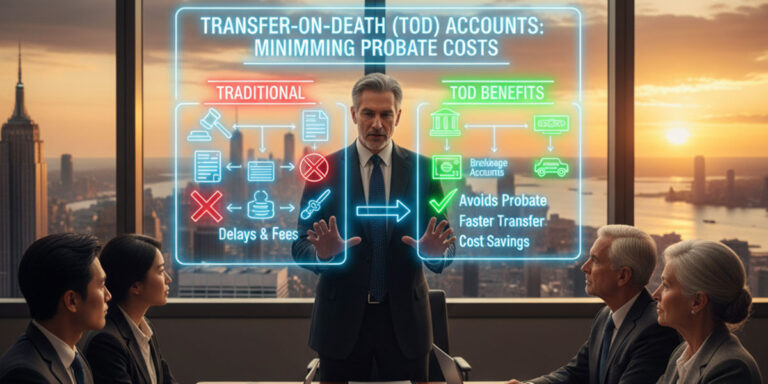
A Trust, on the other hand, is a legal arrangement. It allows a trustee to hold and manage assets for the benefit of beneficiaries. Trusts can be effective during your lifetime and after your death. One of the most significant advantages of many trusts is that they can avoid probate. This can lead to a faster, more private, and often less expensive distribution of assets to your heirs.
For instance, a revocable living trust is a popular tool for Westchester residents. You can act as the trustee during your lifetime. You maintain full control over your assets. Upon your death or incapacity, a successor trustee steps in. This ensures your affairs are managed without interruption and without the need for court intervention.
Irrevocable trusts offer different benefits, such as potential estate tax savings and asset protection from creditors. The type of trust best suited for you depends entirely on your individual goals and financial situation. Our estate planning attorneys at Morgan Legal Group can explain the nuances of each. We help you choose the right tools to protect your legacy.
Guardianship and Protecting Incapacitated Individuals
What happens when a senior can no longer make decisions for themselves? This is a critical concern that elder law addresses. In New York, if a person becomes incapacitated without prior legal planning, their family may need to seek court-appointed guardianship. This is a complex and often emotionally taxing legal process.
A Guardian is a person appointed by the court. This individual has the legal authority to make decisions for an incapacitated person (the “ward”). Guardianship can be appointed for personal matters (e.g., healthcare, living arrangements) and/or financial matters (e.g., managing bank accounts, paying bills). The court oversees the guardian’s actions to ensure they act in the ward’s best interest.
The process for seeking guardianship is initiated by filing a petition with the court. It typically involves medical evaluations of the alleged incapacitated person. It also requires notice to interested parties and a court hearing. This process can be lengthy, expensive, and intrusive. It can also lead to family disputes over who should be appointed guardian.
To avoid the need for court-appointed guardianship, proactive planning is essential. A durable Power of Attorney designates someone to manage your financial affairs if you become unable to do so. Similarly, a Health Care Proxy appoints someone to make medical decisions. These documents allow you to choose who you trust to act on your behalf. This ensures your wishes are followed without court involvement.
Our Guardianship attorneys in Westchester are experienced in both pursuing and defending against guardianship petitions. However, our primary goal is to help clients establish comprehensive powers of attorney and healthcare directives. This proactive approach helps clients avoid the difficult and costly guardianship process altogether. It ensures their loved ones are empowered to act when needed.
Long-Term Care Planning and Medicaid Eligibility
The prospect of needing long-term care, such as a nursing home or in-home assistance, is a significant concern for many seniors and their families. The costs associated with such care can be substantial, quickly depleting savings and assets.
Medicaid is a government program that can help cover the costs of long-term care for individuals who meet certain financial and medical eligibility requirements. However, Medicaid rules are complex and constantly evolving. Navigating these rules to qualify for benefits while protecting as many assets as possible requires expert legal guidance.
An experienced elder law attorney can help clients explore various strategies for long-term care planning. This might include understanding the look-back periods associated with Medicaid applications. It can also involve utilizing tools like income-only trusts or gifting strategies. These strategies must be implemented carefully and well in advance of the need for care to comply with Medicaid regulations.
For example, consider a family in White Plains whose mother requires ongoing home healthcare. Her savings are dwindling rapidly. An elder law attorney can assess her eligibility for Medicaid benefits. They can also advise on permissible asset transfers or other planning techniques. This can help preserve some of the family’s nest egg for other needs or heirs.
Our firm, Morgan Legal Group, has extensive experience in Medicaid planning. We work with clients to develop strategies that maximize their chances of qualifying for benefits. We ensure that these strategies comply with all New York State and federal laws. Our goal is to alleviate the financial burden of long-term care. We help secure the best possible care for our clients.
Protecting Seniors from Exploitation: Elder Abuse and Financial Exploitation
Sadly, seniors are often targeted for financial exploitation and abuse. Their vulnerability can make them prime targets for scams or mistreatment by caregivers or even family members. Recognizing the signs of elder abuse and taking action is critical to protecting our aging population.
Elder abuse can take many forms. This includes physical abuse, emotional abuse, neglect, abandonment, sexual abuse, and financial exploitation. Financial exploitation is particularly common. It involves the illegal or improper use of a senior’s funds, property, or assets.
Signs of financial exploitation can include sudden and unexplained withdrawals from bank accounts. It can also involve changes to wills or powers of attorney. Unpaid bills despite adequate funds, or the disappearance of valuable possessions are also red flags. Moreover, a caregiver or acquaintance suddenly gaining control over a senior’s finances is a serious concern.
If you suspect a loved one is a victim of elder abuse or financial exploitation, it is crucial to seek legal assistance immediately. An experienced elder abuse attorney can help. They can take steps to stop the abuse, protect the senior’s assets, and hold the perpetrator accountable.
Our firm is committed to advocating for seniors’ rights. We understand the sensitive nature of these cases. We work diligently to protect our clients from further harm. We help recover lost assets and ensure justice is served. If you have concerns about elder abuse in Westchester, please reach out to us.
Navigating Probate and Estate Administration in Westchester
When a loved one passes away, their estate must be settled. This process is known as probate or estate administration. In New York, this can be a complex legal undertaking. It involves validating the Will (if one exists), identifying and valuing assets, paying debts and taxes, and distributing the remaining assets to beneficiaries.
The probate process can be lengthy. It can also be emotionally draining for grieving families. If there is no Will, the estate will be distributed according to New York’s intestacy laws. This may not align with the deceased’s wishes.
An executor named in a Will has significant responsibilities. They must navigate the legal requirements of the Surrogate’s Court. This includes filing necessary documents, notifying creditors and beneficiaries, and accounting for all estate transactions. If there is no Will, the court will appoint an administrator. This individual will have similar duties.
Our Probate & Administration attorneys at Morgan Legal Group are skilled in guiding executors and administrators through this process. We handle all aspects of estate administration. We strive to make the process as smooth and efficient as possible. We aim to minimize stress for the family during a difficult time.
For example, an estate may have complex assets, such as business interests or out-of-state property. Settling these assets requires careful attention to detail and adherence to specific legal procedures. We provide the expertise needed to resolve these matters efficiently.
We also assist beneficiaries who have concerns about the administration of an estate. Our goal is to ensure that the deceased’s wishes are honored. We protect the rights of all parties involved. For anyone facing the probate process in Westchester, seeking experienced legal counsel is highly recommended.
The Importance of Choosing an Experienced Westchester Elder Law Attorney
The legal landscape surrounding elder law in New York is intricate and ever-changing. Navigating issues related to estate planning, guardianship, Medicaid, and probate requires specialized knowledge and experience.
An experienced elder law attorney can provide invaluable guidance. They help seniors and their families understand their rights and options. They can also develop personalized strategies to meet specific goals and protect assets.
At Morgan Legal Group, our team, including the expertise of Russell Morgan, Esq., possesses decades of combined experience. We are deeply familiar with New York’s laws. We are committed to providing compassionate and effective legal representation. We understand the unique needs of seniors in Westchester County.
We believe in a proactive approach. This means addressing potential legal issues before they become crises. Whether you are planning for your future, caring for an aging parent, or dealing with the administration of an estate, we are here to help.
Consider the peace of mind that comes from knowing your affairs are in order. Imagine the security of having a plan in place for potential healthcare needs. This is the assurance that comprehensive elder law counsel provides.
Our firm serves clients throughout Westchester, including communities like Scarsdale, White Plains, Yonkers, and surrounding areas. We are dedicated to empowering seniors and their families with the legal tools and knowledge they need to live with dignity and security.
Begin Your Elder Law Planning Today
Planning for the future is one of the most important decisions you can make. It ensures your wishes are respected. It also provides security for your loved ones. Elder law encompasses many critical areas. These include estate planning, wills and trusts, powers of attorney, healthcare directives, and long-term care planning.
If you are a senior in Westchester, or if you are caring for an aging family member, the time to seek legal counsel is now. Proactive planning can prevent future complications. It can also safeguard your assets and preserve your independence.
Morgan Legal Group is your trusted partner in navigating the complexities of elder law in New York. We offer personalized legal solutions. Our approach is always empathetic and professional.
We encourage you to take the first step towards securing your future. Please contact us today to schedule a consultation. You can also schedule a consultation online. Let us help you create a plan that provides peace of mind for years to come. Your well-being and your legacy are our top priorities.
For directions and to learn more about our local presence, please visit our Google My Business profile.